Manlihood is back! The official trailer for Season X is here, and we’re getting ready for a brand-new season of honest conversations, powerful interviews, and practical encouragement for men who want to become better men.
It’s almost time.
After a lot of planning, recording, conversations, and preparation, I’m excited to finally share the official trailer for Season X of Manlihood!
We’re kicking things off on Tuesday, November 24, 2026, with new episodes dropping every Tuesday.
And we’ve got some great things coming.
🎬 Watch the Official Manlihood Season X Trailer
If you’ve been following Manlihood for a while, you know what we’re about.
Men who live with integrity, take responsibility for their actions, have the courage to do what’s right, and understand the value of brotherhood.
And if you’re new here, welcome. I’m glad you found us.
⚔️ What Can You Expect From Season X?
This season, we’re bringing you a combination of meaningful guest interviews and practical solo episodes.
We’ll be talking about the things men wrestle with every day.
Finding Direction. What do you do when you feel stuck, overwhelmed, or unsure of where you’re headed?
Building Character. How do you become a man of integrity when life puts you under pressure?
Brotherhood. Why do men need other men in their lives, and how do we build friendships that actually make us stronger?
Responsibility and Discipline. How do you stop making excuses, take ownership of your decisions, and start making meaningful changes?
Marriage, Fatherhood, and Relationships. What does it look like to show up consistently for the people who depend on you?
We’re going to hear from men who’ve learned some hard lessons, overcome serious challenges, and developed wisdom worth sharing.
And in our solo episodes, I’ll be digging into some of these subjects myself, sharing lessons from my own experiences and challenging all of us to keep growing.
💪 There’s Always Another Step You Can Take
One of the things I believe deeply is that none of us have arrived.
I don’t care how old you are, how successful you’ve become, or how many mistakes you’ve made.
There’s still room to grow.
Maybe you need to make some changes in your marriage.
Maybe you’ve been struggling with your health.
Maybe you’re carrying regrets about decisions you’ve made.
Maybe you’ve lost your sense of direction and you’re trying to figure out what comes next.
Whatever you’re facing, you don’t have to figure everything out by yourself.
That’s one of the reasons Manlihood exists.
We can learn from one another. We can challenge each other. We can encourage each other to keep moving forward.
And that’s exactly what I hope Season X will help us do.
🤝 Join the Manlihood ManCave
As we launch this new season, I also want to invite you to become part of our growing community.
The Manlihood ManCave is our free Facebook group where men can connect, encourage
Most weeks on Manlihood, I’m the guy asking the questions. This time, a podcast host in New Zealand invited me onto his show and asked me to tell him who I am. My answer started with the fact that I’m a dad, a grandfather, and a husband. To explain how I wound up behind a microphone talking to men, though, I had to tell him about my dad.
I joined Social Harmony – Time to Talk for Episode 109 – Manlihood. If you’ve spent time listening to our show, I’d love for you to give this one a listen, too.
Dad had a habit of looking out for kids. As I got older, I started paying attention to just how many people had learned something from him. I knew young men who could have used a dad like mine, and I figured I could at least pass along some of what he’d taught me. That’s where Manlihood began.
I appreciated talking to Lee. He is a gracious host, who approached the conversation with kindness and openness. He talked about becoming a father and wanting to give his daughter something better, then having to figure out how to do that. I knew that feeling. Zoe and I had twins on our first wedding anniversary. We had plenty of reasons to grow up in a hurry, and a couple of babies who were happy to get us up early so we could get started.
We talked about friendship, the things men carry into marriage, and what it takes to let somebody know you well enough to help you. Toward the end, he asked what a man could do today to become a better man. My answer came down to two things a guy can practice in an ordinary week. Pay attention when somebody needs a hand. When you’re the one who needs a hand, ask.
I’m grateful Social Harmony made room for this conversation. Go spend an hour with us, and if you enjoy the host as much as I did, pick another episode of his for the ride home.
Before you finished reading that headline, something came to mind. A conversation you keep avoiding. A habit you keep defending. An old hurt that still gets a vote in how you treat the people you love.
You tell yourself you’ll deal with it when work slows down. When the holidays are over. When you’ve got the energy to open that door and look at what’s behind it.
Meanwhile, you keep carrying it.
And the people around you keep feeling the weight.
You can love your family and still make them live with the consequences of something you refuse to face. That’s a hard sentence to sit with. I think we need to sit with it for a minute.
Maybe you learned to get loud because growing up, getting loud was the only way anybody heard you. Now your wife lowers her voice when yours starts rising. Maybe somebody betrayed you years ago, and you’re still making people who love you prove they deserve your trust.
There are reasons we become the way we are. Understanding those reasons takes courage. So does admitting that something which helped us survive a long time ago might be hurting our lives today.
What have you gotten so used to carrying that you’ve stopped questioning what it costs?
You might call it your personality. “I’ve always had a temper.” “I just don’t trust people.” “I’m the kind of guy who keeps things to himself.”
Listen to how final those statements sound. Like the decision’s been made. Like the rest of your life has to look like the last ten years.
Brother, you still have a say in what happens next.
Fight Like Hell grew out of my own need to get honest. I could stay busy and useful and keep moving fast enough to avoid paying attention to what was happening inside me. Writing made me slow down long enough to notice the things I kept explaining away.
A blank page has a way of making an excuse look different.
“I’m just stressed” might be true. Put it on paper. Then ask yourself what you’ve been doing with that stress. Who gets the sharp edge of it? What happens when you get home? What have you been reaching for every night so you don’t have to think?
Keep writing after the answer gets uncomfortable. That’s usually where I’m tempted to close the notebook.
The deep work asks you to stay there a little longer.
You might discover that you owe somebody an apology. You might realize you need help you’ve been too proud or afraid to ask for. You might finally put words to something you’ve carried since you were a kid.
Let yourself tell the truth about it. Then choose something you can do with that truth.
Make the call. Ask for help. Give the apology without making the other person comfort you afterward. Tell a trusted friend what’s actually going on, and let him check back with you.
You’ve given this thing enough of your life without examining it. Give it ten honest minutes on paper.
Take a notebook and finish this sentence.
The thing I keep putting off dealing with is __________. I tell myself I’m waiting for __________, but what I’m afraid of is __________.
Then keep going.
What is this costing me, and who else is paying for it?
What part of this is mine to take responsibility for?
What is one step I can take in the next 24 hours, and who can help me follow through?
Write the answer you’d usually leave out. You can decide later what you’re ready to share with somebody. Start by being honest with yourself.
If you want to spend more time with this, here are three other Fight Like Hell posts worth reading.
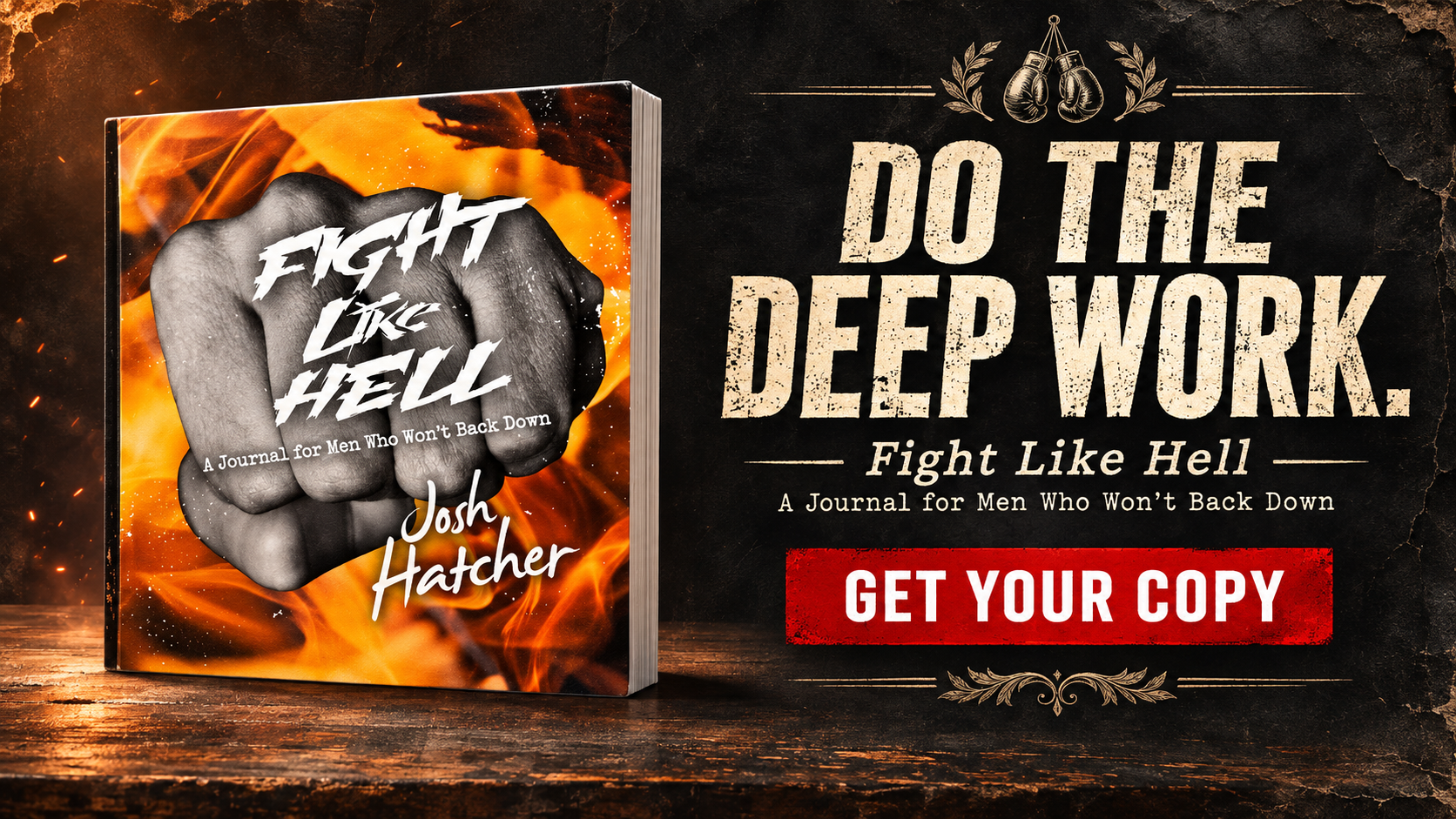
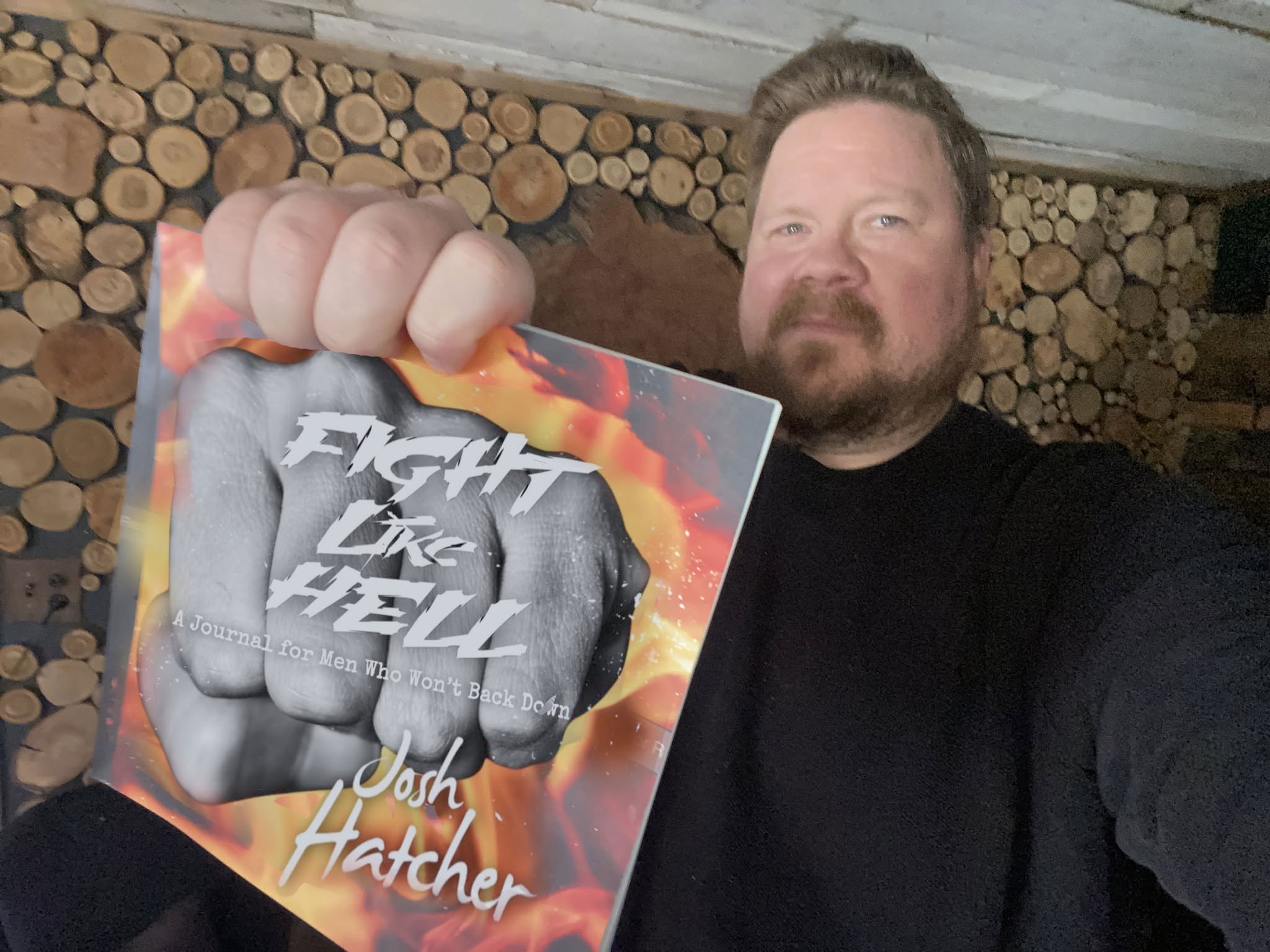
This is the kind of work I created Fight Like Hell: A Journal for Men Who Won’t Back Down to help men begin. The journal gives you 30 days of reflections, questions, and space to examine what’s happening in your life and decide what you’re going to do about it.
If you’re ready to give that work some time and attention, grab a copy. Put a pen beside it. Open it tonight.
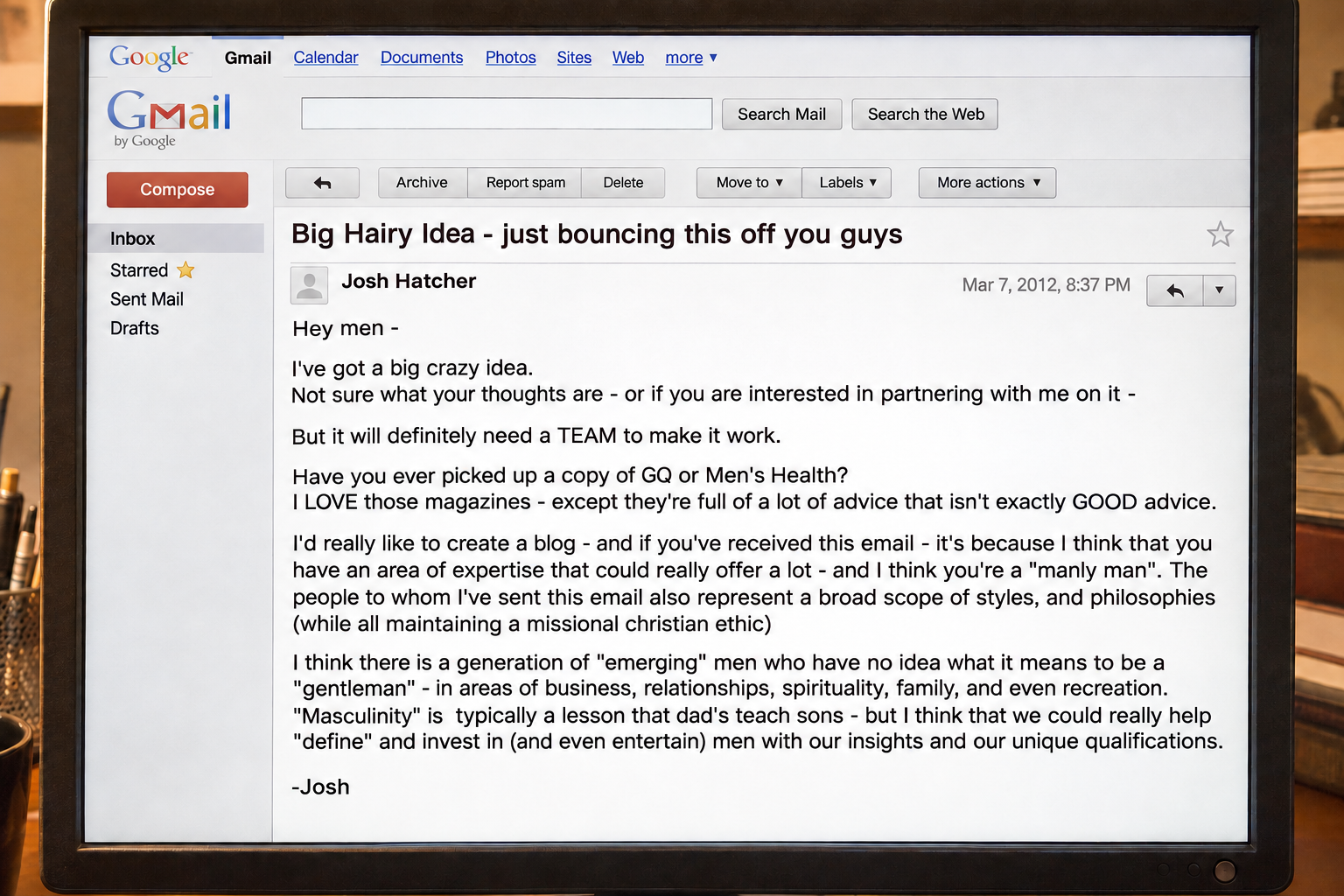
I had an idea for a website where men could talk about becoming better men. I asked some guys to help write for it. A few contributed articles, and about a year later, Manlihood.com launched.
I had to learn that other people could believe in the idea while having their own work to do. Carrying it forward was my responsibility.
So I kept writing. Kept asking questions. Kept putting things out there and figuring out what came next.
I couldn’t have imagined all the places those words would eventually go.
Into conversations between friends. Into books. Into a podcast approaching its tenth season. Into my own living room with guests I never expected to meet.
And, eventually, through prison walls.
But the story starts closer to home, with some things I needed to face in my own life.
The conversation that followed me into everything else
There was a season when I was spending long hours at the computer, trying to catch up on work. Projects were unfinished. Money was tight. I was neglecting my health, living with pain, and bringing frustration into my relationships.
Zoe confronted me about what it was doing to our family. She needed me to face my responsibilities as a husband and father.
She was right.
I had to reckon with the difference between how hard I felt I was trying and what life with me was actually like.
That conversation became a turning point. It took a lot of work for me to change. There have been other turning points since. My own need to grow became part of the foundation for Manlihood. I shared more of that beginning in our original story.
That’s an uncomfortable place for a man to stand.
You know what you intended. You know how tired you are. You know the pressure you’re under and all the things you’re trying to accomplish.
The people who live with you know how you speak to them. They know whether you listen. They know whether they can count on what you said you would do.
Eventually, you have to let their experience matter enough to examine your own.
That question has stayed close to the heart of Manlihood.
What does becoming a better man actually look like in the life you’re living?
At your kitchen table. At work. When you’re correcting your kids. When your wife needs something from you. When you’re tired and somebody interrupts your plans.
That’s where character gets practiced.
The blog posts became a book
As I kept writing for Manlihood, I started looking back through the work.
Something was taking shape.
Those articles were spelling out what I came to call the Twelve Pillars of Masculinity. Subjects I’d been exploring one post at a time belonged together. There was enough there to build a book.
Each one gave me room to explore something men have to put into practice.
Personal responsibility asks us to own our choices. Labor makes us consider our work and our need for rest. Leadership begins with learning to lead ourselves. Commitment asks whether people can count on us when following through gets difficult.
Relationships takes us into friendship, marriage, and family. Learning keeps us willing to grow. Maturity asks us to examine the habits we should have outgrown. Victory invites us to consider how we respond to hardship and what we believe about our ability to move forward.
Respect shapes how we treat ourselves and others. Mentorship asks who we’re learning from and who we’re helping. Integrity brings us back to our principles and the legacy our choices create. Soundness makes room for joy, gratitude, and the things we allow to influence our lives.
Those subjects kept showing up because they reach into ordinary life. They affect how you work, how you love, how you handle disappointment, and what people experience when they’re around you.
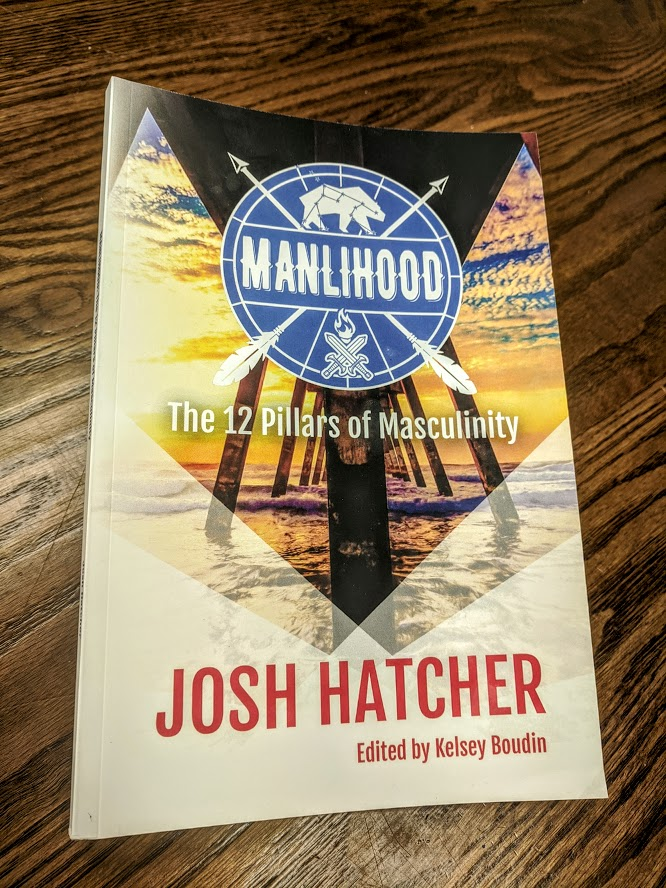
Later, my friend Kelsey Boudin edited the book, and I rereleased it.
At the time, we were working on a manuscript. Kelsey was helping me communicate these ideas more clearly. I had no idea what that project might be planting in his own life.
Words have a way of staying with you. You can work through an idea in one season and find yourself needing it in another.
Kelsey has gone through a remarkable transformation of his own. He has walked through alcoholism and a broken family into a rebuilt life. Today, he is deeply invested in his faith and going to seminary.
God has done something in his life that I’m honored to have witnessed. I didn’t change Kelsey. I didn’t fix Kelsey. I didn’t put Kelsey’s live back together again. God did that. But knowing that some of the seeds were planted while we walked alongside each other through Manlihood means more to me than I can adequately explain.
A friend helped me make a better book. Along the way, the work became part of his own journey toward becoming a better man.
You rarely get to see the whole story while you’re in the middle of it.
Getting men together
Manlihood kept growing into different kinds of work.
By our seventh anniversary in 2020, we had held three Forge Men’s Weekends, developed small-group curriculum, and hosted other activities and events. I wrote then about men working through divorce, repairing marriages, exploring faith, and making changes in their lives. You can read that seven-year reflection here.
Those experiences matter because men need opportunities to respond to what they’re hearing.
You can read something that hits home and then go right back to your day. You can agree with every word of a conversation about responsibility while continuing to avoid the thing you need to take responsibility for.
It gets harder to do that when another man knows your name, remembers what you told him, and asks how it went.
A lot of guys here in my hometown have reached out over the years. We’ve been able to connect them with other men who can help them grow.
I meet with a group of them every Monday.
They encourage me as much as I encourage them.
I need those conversations. I need men in my life who can hear what I’m carrying, ask questions, and remind me to practice what I say I believe.
The work goes both ways.
That’s part of what I want men to find through Manlihood. People they can know well enough to trust. People who will show up. People they can encourage, too.
The conversations I never expected to have
Then there’s the podcast.
As we approach Season X, I look back at some of the people who have made time to sit down and talk with me, and it still surprises me.
There’s something about sitting in your own house talking with somebody whose story has traveled around the world that makes you stop and think about how you got there.
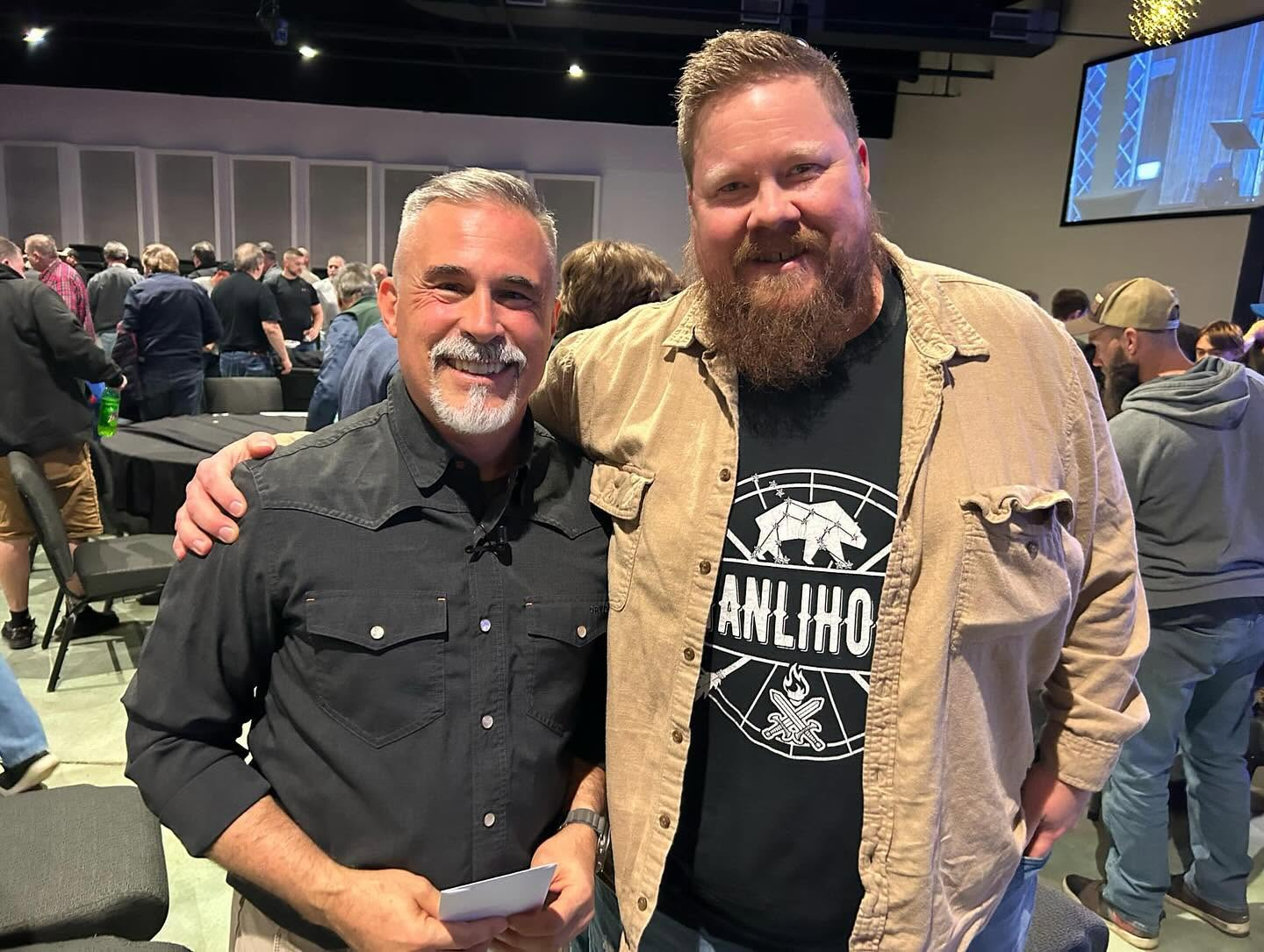
Chuck Holton and Josh Hatcher at a men’s event in Olean, NY.
I’ve also had the opportunity to interview Dr. John Delony, Ken Coleman, bestselling thriller author Brad Thor, and DC Glenn from Tag Team, the group behind “Whoomp! (There It Is).” We have interviewed on a couple occassions war correspondent and author Chuck Holton, whose book “Making Men” had a lot to do with inspiring Manlihood.
Along the way, I’ve talked with authors, leaders, and people doing important work to equip men.
Those conversations give us access to experience we would otherwise never have. We get to ask what somebody learned, what challenged him, what he had to face, and what he wishes he had understood earlier.
A good interview gives you room to ask the next question.
What happened after that? Who helped you? What did it cost? How did you begin again?
I want to get close enough to a person’s experience that a listener can find something to take into his own life.
Sometimes that comes from a guest whose name you recognize. Sometimes it comes from a man you’re hearing about for the first time.
You listen to him talk and realize he’s putting words to something you’ve struggled to explain.
That moment matters.
The books went somewhere I never expected
In the past few years, I’ve walked through a crisis of my own involving someone I care about deeply.
He screwed up badly and went to prison.
His full story belongs to him. What I can tell you is that he took responsibility for his actions and has grown.
Other men read them. Men who were broken. Men who had reached rock bottom and were having to look at their lives and the choices that brought them there.
The questions resonated. Taking time to reflect, face themselves honestly, and consider how to become better men meant something inside those walls.
Some of those men wrote to me.
I’ve written back to encourage them.
Think about that for a minute.
Blog posts I started writing years ago became a book. That book went to someone I love. He shared it with other men, and now I’m exchanging letters with people I might otherwise never have met.
Who would have thought?
I wanted the work to help men. Here it was reaching men in a place I hadn’t imagined, at a time when they were wrestling with some of the hardest questions of their lives.
I’m grateful they took the time to write. I’m grateful they gave the words a chance.
And I’m grateful to have something to offer them.
Responsibility still matters inside those walls. So does hope. A man facing the consequences of his actions still has choices to make about who he will become and how he will live.
If something I’ve written helps him face that work, I’m honored to be part of it.
Why the deeper work matters
That’s part of why the deeper work keeps showing up in Manlihood.
There are questions a man can avoid for a long time while staying busy.
What am I afraid to admit? Who have I hurt? What keeps coming out of me when I’m under pressure? Who knows what I’m actually dealing with?
When you put an answer on paper, you can look at it. You can notice where you’re explaining something away. You can go back and finish the sentence you almost skipped.
Then you have to decide what to do with what you’ve written.
Call somebody. Ask for help. Make the apology. Change the habit. Tell the truth.
I want the things we make through Manlihood to help men reach that point of action.
A conversation can open the door. A journal can help you find the words. A friend can walk with you while you figure out how to follow through.
The work is still growing
As we move toward Season X, we’re continuing to build.
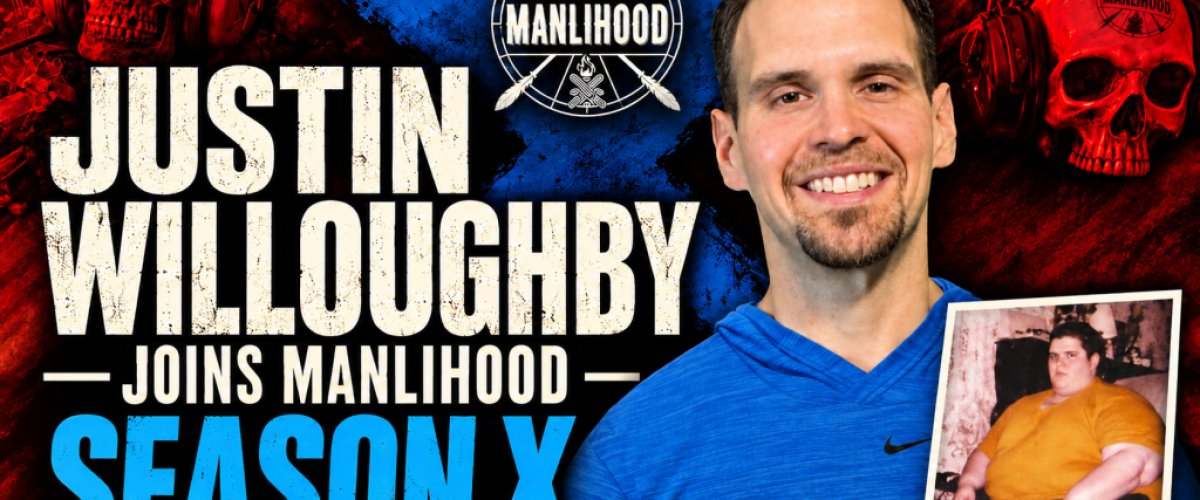
Justin Willoughby lost 600 pounds. He’s joining Manlihood as a regular contributor and coach!
Justin Willoughby is joining us as a regular contributor. He’s my friend, and I’m looking forward to giving him more room to help men think through health, fitness, and getting started from wherever they are. Meet Justin here.
We’re also working on Rise Up Coaching for the new year. I want to give men a way to take what we talk about and practice it with some support and accountability. Here’s a first look at what we’re putting together.
Those are new pieces of work built around a purpose that has been here since the beginning.
Helping men become better men.
I’ve seen that work reach a friend editing a manuscript. Men sitting together on a Monday night. Listeners finding a conversation when they need it. Men passing a book around inside a prison.
I couldn’t have planned every part of that.
I could write the next article. Record the next conversation. Answer the letter. Show up on Monday.
And keep doing the work in my own life.
What I can promise you
I still don’t have it all figured out.
Anybody who claims to have every part of life mastered deserves some hard questions, especially when he’s trying to sell you something.
You can hear me talk about responsibility and still find places where I need to grow. I can write about discipline and have work to do. I can encourage you to be a better husband while continuing to learn how to love my own wife well.
I’m accountable for how I live with what I’ve learned.
Here’s what I can offer.
What I’ve learned, I’ll share. What I can help with, I’ll help you with.
I’ll keep asking questions. I’ll keep making room for men with something worth hearing. I’ll keep trying to make things you can use when you close the article or finish the episode and go back to your life.
And I’ll keep showing up with the men who encourage me to do the same.
To everybody who has read, listened, contributed, shared, written a letter, or trusted me with part of your story, thank you.
You’ve helped this become something I couldn’t have seen when I sent that email in 2012.
I love you, I’m proud of you, and I’ll see you next time.
I’ve been thinking about that number while getting ready for this next chapter of Manlihood. There are a lot of conversations behind it. A lot of questions. A lot of things I’ve learned—and plenty I’m still working through.
And I’ve still got something to say.
Manlihood Season X officially launches Tuesday, November 24.
We’re coming into this season with a new regular contributor, some conversations I can’t wait to share, and a deeper commitment to helping men put what they’re learning into practice.
Because you can listen to a hundred podcasts about becoming a better man and still avoid the conversation you need to have tonight.
You can know what responsibility looks like and keep making excuses.
You can encourage everybody around you while quietly wondering who you can call when you’re struggling.
I want Manlihood to help you do something with what you hear. To give you a question worth sitting with, a step worth taking, or the courage to finally tell somebody the truth.
That’s where we’re headed.
Where I’ve Been—and What I’ve Been Working On
One of the episodes I’m bringing into this launch is called “Where I’ve Been.”There are some things I want to share about what I’ve been working on in my own heart. The kind of work that takes longer than recording an episode about it.
It’s easy to stay busy making things. Writing. Recording. Planning. Helping other people work through their problems.
It takes some honesty to slow down and ask whether you’re giving your own life that same attention.
I’ve needed to do that.
I’m still doing it.
And I want to talk about what I’m learning while I’m in it. I know there are men listening who are carrying things they haven’t figured out how to talk about yet. Maybe hearing me work through some of mine will help you find words for yours.
We’re Launching with Andy Caygeon
My conversation with Andy Caygeon arrives on November 24, right before Thanksgiving.
I’m looking forward to getting this one into your hands—and your headphones.
You’ll also hear a couple of short preview episodes leading up to launch day to give you a taste of what’s coming.
After launch, we’re settling into a weekly rhythm, with interviews and solo episodes that give us room to ask hard questions and work through practical ways to grow.
Some weeks, you’ll hear from somebody whose experience gives you a different way to look at your own life. Other weeks, it’ll be you and me digging into something we need to face.
Justin Willoughby Is Joining Us
One of the things I’m most excited about this season is welcoming Justin Willoughby as a regular contributor.
Justin has lost more than 600 pounds. He knows what it means to start when the distance between where you are and where you want to be feels impossible.
He also knows that lasting change reaches into your habits, your thinking, and the decisions you make when motivation wears off.
He’ll be bringing his experience to conversations about health, fitness, nutrition, and taking care of yourself.
If you’ve ever thought, “I’m too far gone,” or “I wouldn’t even know where to start,” I want you to hear from him.
It can come back to you after an argument. On the drive to work. In that quiet moment when you realize the excuse you’ve been using doesn’t hold up anymore.
What do you keep saying you’ll deal with later?
Why did that little comment set you off?
What would your apology sound like without the excuse?
Who knows what you’re actually fighting?
Those questions deserve an honest answer. And that answer ought to lead somewhere.
This season, I want to keep making room for that work: taking responsibility, building healthier habits, repairing relationships, and finding men you can trust enough to be honest with.
Bring a notebook if you need to. Pause an episode. Write something down. Have the conversation.
Give yourself time to act on what hits home.
Rise Up Coaching Is Taking Shape
Justin and I are also working on Rise Up Coaching, with plans to get started in the new year.
We’re building it for the man who keeps trying to change something and ends up back in the same place. The man who could use some direction, some accountability, and people who will notice whether he follows through.
We’re still putting the pieces together, and we’ll share more as it takes shape.
If you’d like us to keep you in the loop, email manlihood.com@gmail.com with “Rise Up” in the subject line.
Come Into This Season with Something You’re Willing to Work On
You don’t have to overhaul your whole life before next Tuesday.
But think about one thing you’ve been avoiding.
Maybe you need to take your health seriously. Maybe you owe somebody an apology. Maybe you’ve been so buried in work that your family gets whatever is left of you. Maybe you need to admit that you’re lonely and reach out to another man.
Start there.
I’m coming into this season with work of my own to do. I haven’t graduated from any of this. What I’ve learned, I’ll share. What I can help with, I’ll help you with.
Season X begins Tuesday, November 24.
Follow Manlihood wherever you listen to podcasts, watch for the previews, and send this to a man you’d like to have these conversations with.
I’m grateful you’re here.
I love you, I’m proud of you, and I’ll see you next time.
I can appreciate the remarkable amount of authority a man will give a candy bar. He eats one at lunch on Tuesday, and somehow that little sucker gets to decide what he’s having for supper all week. Apparently the next available appointment for a good decision is Monday morning.
I’ve done enough of that kind of negotiating with myself to know how convincing it sounds at the time. Monday gives me a clean slate. Monday gives me time to get ready. And, conveniently, Monday lets me have whatever I wanted for supper.
It gets considerably less funny when I think about how easily that same reasoning follows us home.
Say you’ve been working on keeping your temper. You’ve had a pretty good couple of weeks. Then on Tuesday afternoon your wife asks, “Did you ever call that guy back?” And since you forgot to call the guy back, you hear a whole bunch of other words she never actually said. By the time you answer, you’re defending yourself in an argument she had no idea the two of you were having.
Now she’s standing there wondering what in the world that was about. And you’ve got a decision to make in the next five minutes.
You can spend those minutes gathering evidence that it’s been a hard week. You can go out to the garage until you figure enough time has passed to ask what’s for dinner. You can even launch into a pretty convincing speech about what a lousy husband you are, at which point the woman you just hurt somehow ends up comforting you. Funny how that works.
I’ve written about taking responsibility without shame because I know how easy it is to feel terrible about something and figure I’ve dealt with it. Meanwhile, my wife is still waiting for an answer to a perfectly reasonable question.
You can walk back into the kitchen.
“Hon, you asked me a fair question. I forgot to call him, and I was embarrassed that I forgot. I took that out on you. I’m sorry.”
Then give her a chance to answer. She may tell you she’s started putting off simple questions because she never knows which one is going to set you off. That’s a hard thing to hear about yourself. If you catch yourself planning your defense three words into her answer, my conversation with relationship coach Jeanell Greene about listening to your wife is worth your time. Right now, let her finish. She’s telling you what it’s like to live on the other side of a habit you already decided you wanted to change.
And for goodness’ sake, call the guy back. Somewhere in all this excitement there’s still a fella waiting on a phone call.
When I wrote about getting back on track in The 12 Pillars of Masculinity, I talked about forgiving yourself when you screw up and asking forgiveness from anybody you’ve hurt. I’d add this now. You might feel better ten minutes after that conversation. Your wife might need a couple months of being able to ask you an ordinary question and get an ordinary answer. Give her those months. You’ve got plenty of opportunities coming to show her you meant what you said.
In the meantime, there’s a Tuesday afternoon left, and you know what needs doing. Two-fifteen is as good a time as any.
Once you’ve made the phone call or walked back into the kitchen, I’ve got something for you to read. In my book, Manlihood: The 12 Pillars of Masculinity, I wrote a section called “Staying on Track.” Pick up a copy and start there. It’s a short read for the guy who had a pretty good plan for the week right up until he heard what came out of his own mouth at lunch.
How many Mondays have you started working on the same thing?
Maybe you promised yourself you’d walk after dinner. Monday, you laced up your shoes and went. Tuesday, you did it again. Wednesday, you worked late. Somehow, missing one walk on Wednesday turned into waiting until next Monday to start over.
Do that enough times and something starts to bother you more than the walks you missed. You hear yourself say, “I’m going to do it this time,” and you don’t quite believe yourself anymore.
I know that feeling. And it’s one of the reasons we’re working on something new at Manlihood for the new year. It’s called Rise Up Coaching.
I want to help guys keep the promises they make to themselves and to the people who count on them. We’re putting together a place where men can get some direction, take action, and have a few good brothers who care enough to ask how it’s going.
We’re still working out the details, but I wanted to give you a first look.
What happens on the day you usually quit?
That Wednesday when you worked late? That’s the day I want us to be around for.
Imagine telling a few guys, “Fellas, by the time I get home, my evening belongs to everybody else. But I do get a lunch break. I could walk for ten minutes then.”
The next afternoon, one of those guys asks, “Hey, did you get outside today?” Now you’ve got somebody who remembers what you said. And maybe you get to tell him, “Yeah, I did. First time I’ve left that building for lunch in six months.” That’s a small thing, but I’d be glad to hear about it. I bet a few other guys would, too.
Or maybe the thing eating at you has nothing to do with exercise. Maybe you’ve been short with your kids lately. Last night your boy came out to the garage to tell you something, and you were halfway through “Buddy, can this wait?” before you even looked up. Now you’re lying in bed wondering what he wanted to tell you.
“Be a better dad” is a hard assignment to know what to do with. “Find him after breakfast and say, ‘Hey, buddy, I want to hear the rest of that story’” gives you somewhere to start.
That’s the kind of work I want us to do together. You bring the thing that’s been weighing on you. We help you figure out what you can do about it today. And if today goes sideways, you have some brothers you can talk to tomorrow.
Here’s what we’re putting together
Our plan is to start in the new year with a five-day Rise Up Challenge for $5.
We’re planning an opening call, a short video and assignment each day, and a private WhatsApp group where guys can check in, ask for help, and share how it went.
By the end of those five days, I want you to be able to point to something you actually did. Maybe you took that walk on your lunch break. Maybe your boy finished his story. You’d know what it took to make that happen, and you’d have a few guys who understand why it mattered.
We’re working on the challenge now. As the dates and details come together, we’ll share more.
Want us to keep you in the loop?
If this sounds like something you’d want to be part of, email manlihood.com@gmail.com with “Rise Up” in the subject line. We’ll keep you posted as we get it ready for the new year.
And while you’ve got that email open, finish this sentence for me.
“I keep telling myself I’ll finally…”
What came to mind, brother? I’d like to hear it. Your answer will help us build something that speaks to what you’re actually dealing with.
The first time I saw Justin Willoughby, he was pushing a shopping cart through Walmart with an oxygen tank. He had a Snickers bar in his hand. And here I was, a guy who knew absolutely nothing about this kid, forming an opinion about what he ought to be eating.
Turns out Justin had spent hours walking those aisles for exercise. He’d already lost almost 200 pounds by the time I saw him. I caught about ten seconds of his day and figured I knew something. We met again at church, and that kid became one of my best friends. I’m glad he got to know me well enough to give me crap for that story.
Justin Willoughby is joining Manlihood as a regular contributor for Season X. He’ll be talking with us about health, fitness, and nutrition. And the first thing I want him to tackle is a question I’ve got a personal interest in: How do you start working out when you’re really out of shape?
I’ve seen some of those “beginner” workouts. Fellas, when getting down on the floor is a project and getting back up requires a plan, you’d like to have a word with whoever decided where beginners begin.
That’s one of the reasons I want Justin here. At sixteen, he weighed 799 pounds. His first workout was one step. The next day he took two. Over the next several years, he lost 600 pounds. When you tell Justin where you’re starting from, you’re talking to a guy who remembers exactly what that first step cost him.
Some of you have heard Justin on the podcast before. If you’re getting to know him for the first time, I’d start with these two conversations:
600 Pound Weight Loss and Surviving Divorce — Justin and I get into divorce, forgiveness, remarriage, and what it looks like when a friend loves you enough to ask how you’re really doing.
Justin also coaches people who are working through their own struggles with weight and emotional eating. If that hits close to home, you can learn more about working with him at 600 Pounds Down.
Manlihood Season X launches Tuesday, November 24. Between now and then, I’d love to hear from you guys in the Manlihood ManCave. If you had Justin across the table and could ask him one honest question about getting healthier, what would you ask? I’ve already called dibs on the beginner workout question.
Welcome aboard, brother. I’m glad we get to do this together.
Many men who go looking for help with their sexual health do it quietly, on a phone, with no intention of telling anyone. What they find is a long list of options – books, apps, online programs, forums, therapists – and every one of them promises answers. A few plain checks will separate a solid resource from an expensive mistake.
Start with the question you’re actually asking
Men’s sexual health covers a lot of ground, and the first filter is your own situation. An occasional off night is common, and it usually traces back to stress, poor sleep, alcohol, or nerves with a new partner. A pattern that repeats for months is a different thing, and it deserves a different response.
Two common concerns are worth telling apart. Finishing sooner than you want to, usually called premature ejaculation, is one. Trouble getting or keeping an erection, usually called erectile dysfunction, is the other. They can feel identical to a worried man at 1 a.m., but they have different causes and they call for different kinds of help.
When you shop, that distinction should narrow your search. A resource that treats every male sexual concern as one problem with one solution was built to sell, and you should keep looking. Naming your concern in a plain sentence, even just to yourself, removes half your options before you spend anything.
Be careful in the other direction too. Some sellers make money by convincing men that ordinary variation is a disorder. If a page takes a common experience and reframes it as a condition requiring their product, it’s marketing, not diagnosis.
Many men never raise any of this with a doctor. Late-night searching fills the gap, and whatever ranks highest gets the click.
The three formats, and what each one is good for
Nearly everything you’ll find falls into one of three formats. Each suits a different question, and picking the wrong one is how men end up with a book they never open or a program they quit in week two.
Educational reading
Books, guides, and well-sourced articles answer the basic questions: what’s going on, and is this common. They’re cheap, self-paced, and ask nothing of you. Their limit is that reading about a habit rarely changes it, so treat reading as a starting point. Check who wrote it, too. A guide by a named therapist reads differently from anonymous content written to rank on search engines.
Structured programs
These organize material into guided steps spread over weeks, often through an app. They suit a man who already knows his concern and wants a routine to follow. The questions to ask are simple: how long does the program run, and what does each day actually ask of you? Cost sits between a book and a therapist, and the format only pays off if you use it.
Professional conversations
A doctor or a sex therapist gives you something no product can: an actual assessment of your situation. Sex therapy is talk-based and structured, and it’s the reference point other resources should be measured against. If your concern has lasted for months or is straining your relationship, this is the format to take seriously.
The formats can also combine. Reading can lead into a program, and a program can be the step that makes a professional conversation easier to start. The right choice depends on your question and how much privacy you need.
Check what a resource is built on
A resource that names its method is giving you something to evaluate. You don’t need to understand every term. You need it to say which approach it uses and why.
A few things are worth checking before you commit. A readable outline tells you what the resource covers and in what order, so you can see whether it matches your situation. Sample material, such as a preview chapter or a trial lesson, shows you the tone and depth before you pay. A clear statement of the intended audience matters too: a resource should say who it is written for and what it assumes you already know.
A program with a clear outline and readable samples is showing its workings. One that talks only about wellness and confidence, with no method underneath, is asking you to pay for vague reassurance. Check what it says about results as well. Honest resources describe gradual change and the effort involved.
Then check the people. Look for named professionals with credentials you can verify, and check whether the content was developed with therapists or simply written by whoever was available. An “expert team” with no names and no qualifications listed is a red flag.
If you want to practice these questions on a real page, Bedfit is one place to try them. As you read, ask what you can tell about the method, the people behind it and the time it asks of you, without digging.
Read the promises the way a skeptic would
Certain words on a sales page should end the conversation.
“Guaranteed” and “permanent cure” are two of them. Honest resources talk about practice and gradual improvement, because that’s how behavioral change works. “Secret method” is another. If a sales page won’t describe what you’ll actually be doing until after you pay, you’re buying blind.
Timeframes deserve the same treatment. A credible resource states how long its material runs and what taking part involves, whether that’s reading, exercises or regular sessions. A program that won’t spell out the time commitment before you pay is asking you to commit to something undefined.
Check the social proof as well. Testimonials with first names only and photos that look like stock images tell you nothing. Countdown timers and “today only” pricing exist to rush you past the questions you’d otherwise ask.
Watch for products framed around a single encounter. Numbing products and supplements can promise a fast result for one evening. A product purchase isn’t an educational resource. That doesn’t make them useless for everyone, but a resource that sells a moment as a solution is mislabeling what it sells.
Give a sales page two minutes and you’ll usually know enough to decide.
Match the resource to your actual life
Privacy is a legitimate criterion. Many men will never book an appointment about a sexual concern, and a resource that sits privately on a phone has a real advantage for exactly that reason. App-based programs and telehealth exist partly because avoidance of face-to-face conversations is so common. Choosing privacy is a fact about yourself worth planning around.
Time is the second filter, and it’s where most purchases fail. Before you compare anything else, check what a resource asks of you each day and how it’s delivered. A book you can read in short chapters suits a commute; a course built around longer video lessons suits an evening at home. Match the format to the time you actually have and the way you prefer to take in information. A demanding program that doesn’t fit your routine will be abandoned by many men, and an abandoned program delivers nothing.
Look for things that support the routine: short sessions and a clear day-by-day structure. And expect honesty about duration up front. A resource that won’t tell you how long it takes is asking you to commit before you know the terms.
Whatever you choose, the test is whether you’ll still be using it next month.
The relationship side isn’t optional
Sexual concerns rarely stay one person’s problem. Anxiety about performance tends to feed the problem itself, and when partners stop talking about it, the pressure builds on both sides. A resource that covers only physical mechanics misses the part that often drives the whole thing.
The cycle is predictable: one difficult encounter produces worry, worry produces another difficult encounter, and soon the anxiety is doing more damage than the original issue. Resources that address this psychological side, and give you ways to interrupt the cycle, cover more of the problem.
Look for material on talking to a partner: how to raise the subject, and what to say when something goes wrong. This is where adult sex ed and ordinary relationship advice overlap, and a resource that handles both saves you from buying the missing half separately.
If you’re single, this still applies. The way you think and talk about sex shapes the pressure you bring to it. Resources that work on the psychological side will serve you better than ones that ignore what’s going on in your head.
A short way to decide
Pull the checks together and the process gets quick. Write your concern down in one plain sentence. Pick the format that fits your privacy needs and your weekly schedule. Shortlist two or three resources and check each for a named method, named people, an honest timeframe, and a clear price with terms you can read before paying.
Then prefer the one that explains what you’ll be doing and for how long. Give any structured option a fair trial across its stated length, because quitting in week one tells you nothing about whether it could have worked.
Keep one escalation path in mind. If a concern persists, causes pain, or is wearing down your relationship, a conversation with a doctor or therapist is the sensible next step. A good resource will tell you that itself. One that never mentions professional help is more interested in keeping your money than in your outcome.
None of these checks takes more than an evening, which is a small price for avoiding a purchase built on the hope that you’d be too embarrassed to ask questions.
When did you first get the idea that the men around you counted you as one of them?
Maybe your dad said something you can still hear in his voice. Maybe an older guy at work handed you the keys, said, “You can lock up tonight,” and went home. He’d spent six months checking everything you did, and then on a perfectly ordinary Thursday, he trusted you to close the place.
Or maybe you moved your stuff into an apartment, got an electric bill with your name on it, and figured that must have been the ceremony.
For a lot of guys, I suspect it was the electric bill.
When Don Ross and I talked about helping boys become men, we got into what a rite of passage can mean for a son. I like the idea of giving a young man a day he’ll remember. I also think there’s a lot a dad can say on the ride home from work on a Thursday.
I’ve raised four kids. They’re all adults now, which is a strange thing to say about people whose shoes I used to tie. One of the odd things about being a dad is that you can carry around a whole head full of things you admire about your kids and somehow assume they know. Meanwhile, they can tell you exactly how you like the dishwasher loaded. You’ve been pretty clear on that subject.
Years ago, I wrote about thanking my kids because I’d noticed how often I asked them to do something and how easily I forgot to say thanks when they did it. I could see it in their faces when I remembered. Makes me wonder what else they would’ve liked to hear me say out loud.
I wonder how many sons know what their dads think about the way they back a trailer but have no idea whether Dad thinks they’re good men.
If you’ve got a son, a nephew, a young guy on your crew, pay attention to him for a while. Sooner or later you’ll see him do something decent that he could have gotten away with skipping. Maybe he goes back to tell the boss about a mistake after somebody else has already taken the heat for it. That conversation costs him something. You know it does because you’ve stood outside that same office trying to work up the nerve to walk in.
Tell him that part.
“I saw you go back in there. I’ve had to make that walk myself, and I know you had a pretty good idea what was waiting for you on the other side of that door. I respect the way you handled it.”
A young man can do something with that. The next time his stomach drops because he’s screwed something up, he’s got a little evidence about himself. He’s told the truth under pressure before. A man he respects saw him do it.
And if you’re reading this thinking, I would’ve given about anything to hear that from my dad, I wish you’d heard it, too. There’s a particular ache in being old enough to have kids of your own and realizing some part of you is still waiting for your old man to say he’s proud of you.
You’ve probably got a young man in your life who feels about you the way you felt about him. The next time you catch yourself telling somebody else what a fine man he’s turning out to be, pick up the phone and tell him, too. He deserves to hear what you sound like when you talk about him.
If you’ve got a young man in mind, pick up a copy of my book, Manlihood: The 12 Pillars of Masculinity, and write him a note inside the cover. Tell him about the day you saw him own a mistake, keep his word, or look out for somebody who needed him. Sign your name. Years from now, that’ll probably be the most dog-eared page in the book. I’d be pretty happy about that.